What to expect (and inspect) on your first site visit
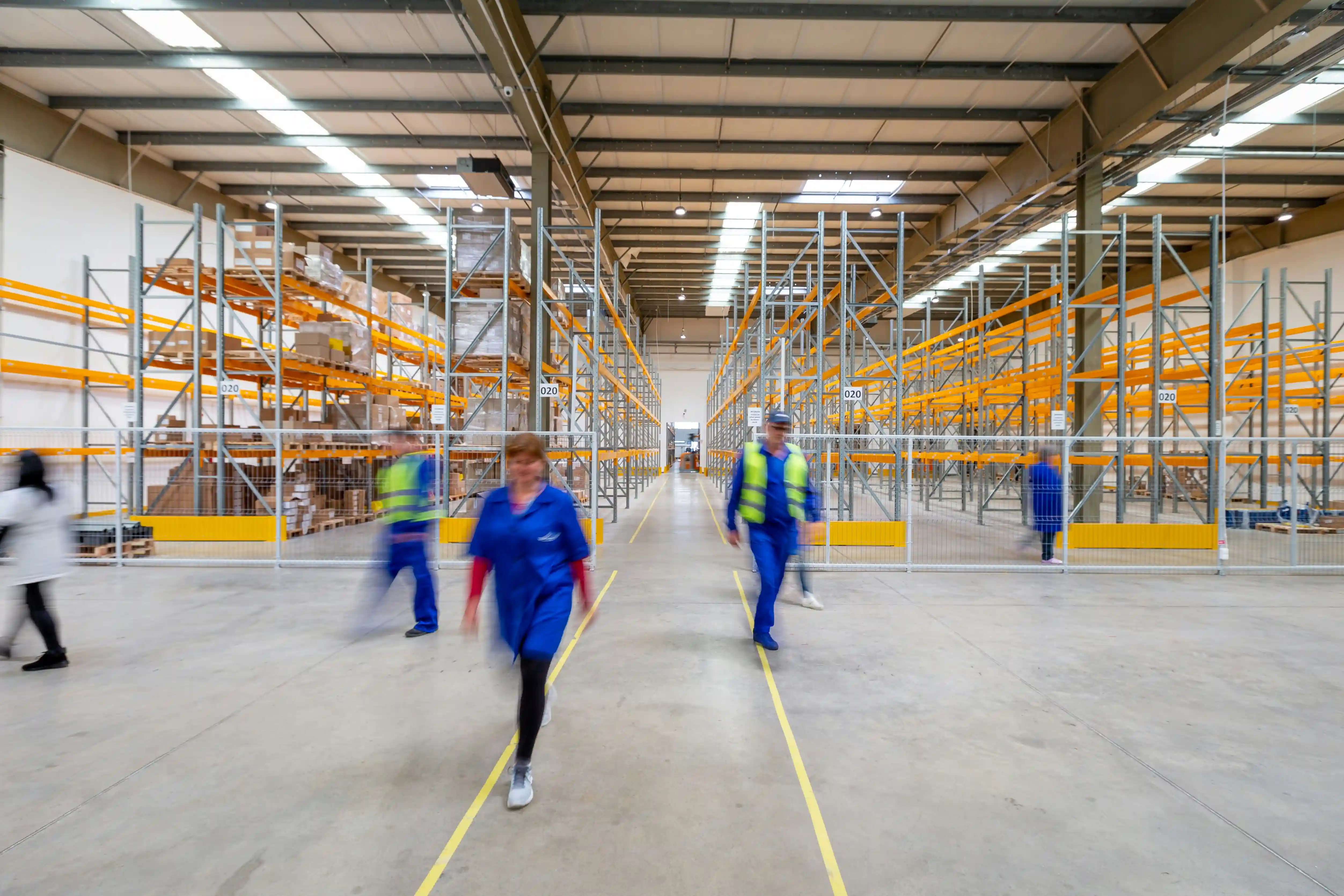
Table of contents
Share
A site visit is one of the best due diligence tools available to any brand evaluating a new fulfilment partner. It tells you things a sales deck never will. Most brands don't use it properly, either because they don't know what to look for, or because the provider steers the visit in a direction that suits them. Here's how to make sure you're the one setting the agenda.
Before you go
Before the visit, think about what matters most to your brand specifically. A business shipping fragile goods has different priorities to one shipping apparel, and a brand planning rapid growth needs to ask different questions to one with stable, predictable volume.
Write down your three or four non-negotiables before you arrive. Whether that's carrier coverage, returns handling, tech integrations, or peak capacity, knowing what you're actually evaluating makes the visit far more useful than a general tour.
If they're reluctant to answer your specific requirements before you arrive, that probably tells you everything you need to know…
What actually happens on a site visit
Most site visits follow a similar format. You'll typically start with a brief intro from the sales or account management team, covering the provider's background, client base, and capabilities. This is useful context, but it's not the most valuable part of the visit.
From there, you'll usually get a walkthrough of the warehouse floor. Depending on the size of the operation, this can take anywhere from 20 minutes to over an hour.
What to look for in the warehouse
The warehouse floor: Is it clean and well-organised? Are pick locations clearly labelled and easy to navigate? Messy warehouses slow down pick times, increases error rates, and tend to get significantly worse during peak periods when volume is high and staffing is stretched. What you see on a site visit is normally the very best version of their operation, so it's worth keeping this in mind.
Goods-in process: Ask to see how incoming stock is received, checked, and booked into the system. This is where inventory discrepancies most commonly start. Stock arrives, gets counted incorrectly, or gets put away in the wrong location before it's ever been properly booked in. A robust goods-in process with clear checks and a reliable WMS integration is non-negotiable. If it looks informal or paper-based, probe further.
Returns handling: Where does returned stock go when it arrives back at the warehouse? How quickly is it assessed, and how long before it's re-entered into available inventory? A slow or unclear returns process has a direct financial cost. Units sitting in a returns queue aren't available to sell. If the provider is vague about their returns SLA, that's a gap worth closing before you sign anything.
Technology stack: Ask for a live demo of their Warehouse Management System (WMS). Can you see real-time stock levels? How does it connect to your ecommerce platform? What does the integration look like in practice, and who manages it when something breaks? Technology that looks impressive in a slide presentation often tells a different story when you ask to see it running on the warehouse floor. Push for the live view, not the screenshot.
Team members: This one is easy to overlook when you're focused on systems and processes, but it matters. Talk to the people on the floor, not just the sales or account management contact who's been assigned to show you around. Ask how long they've worked there, and what they enjoy about the operation. High staff turnover in a warehouse is sometimes a red flag, as experienced pickers make fewer errors, and a team that knows the operation well handles peak periods better. Stability on the floor translates directly into consistency for your brand.
Capacity and growth headroom: Ask to understand the warehouse's current utilisation. If they're operating at close to full capacity, what does that mean for your growth? Can they accommodate a 3x increase in your order volume without it affecting other clients' SLAs? A provider who's a good fit today needs to still be the right fit in 18 months.
What a good tour feels like
A professional 3PL team answers questions directly and without hesitation, shows you real operational data rather than polished slides, and is honest about where things have gone wrong and what changed as a result. You should leave knowing exactly who manages your account day-to-day and confident that person understands the operation, not just the client services brief.
The visit should feel like a conversation between two businesses working out whether they're a good fit. If it feels more like a sales presentation, it probably was one. Trust your gut!
How we can help
Not sure which providers are worth visiting? We match ecommerce brands with fulfilment providers based on their specific order volume, product type, location, and much more. In a matter of minutes, you'll have a shortlist of operations already set up for your scale and business type, so you're only spending time on visits that are genuinely worth your while (and fuel costs).